
7th October, 2025 •
Great work culture: How to build a workplace people love (Part 1)
Written by Charlotte Duckworth
20th November, 2025 •
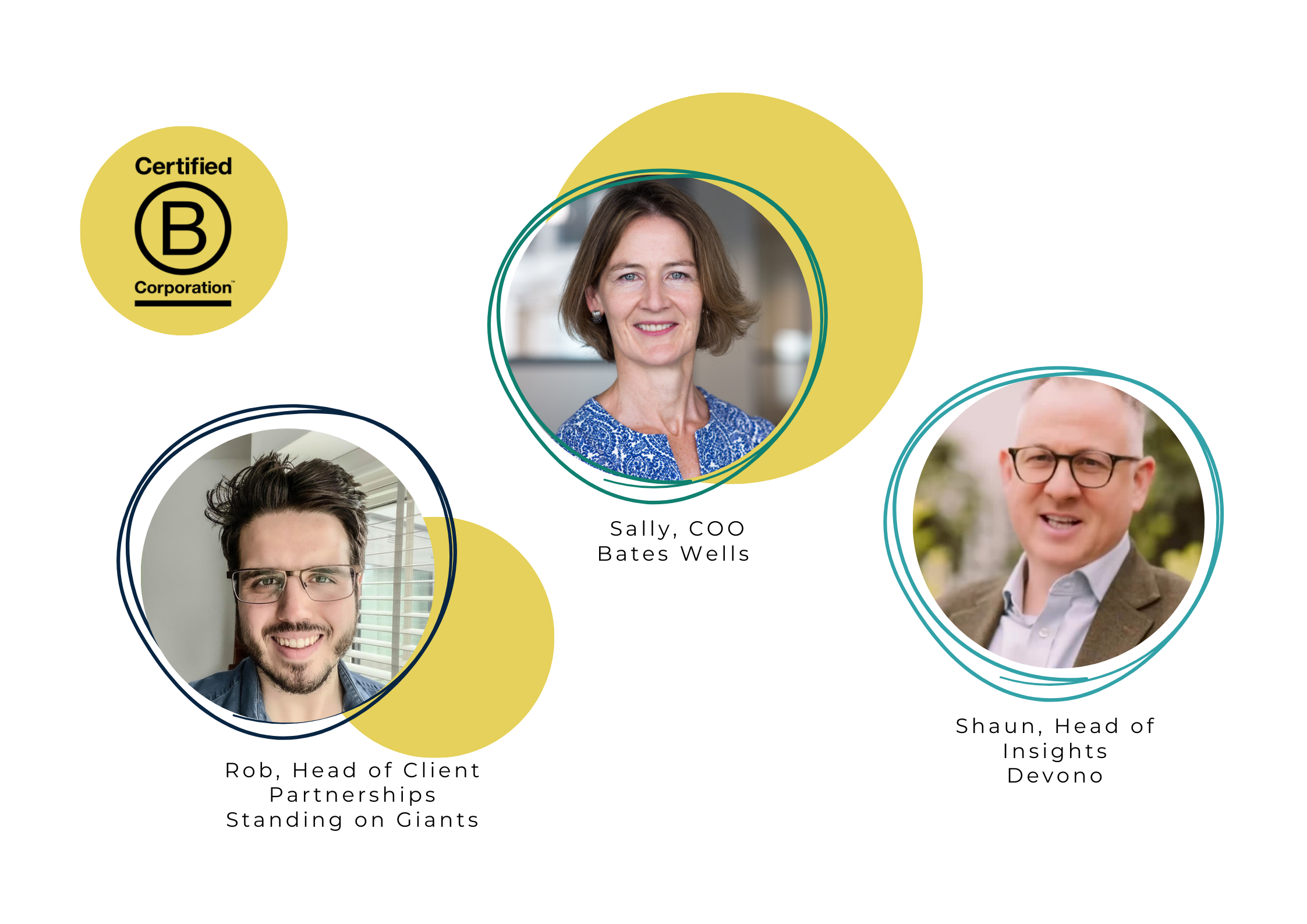
Through our work at Higson, we support organisations to create a positive workplace culture. To generate more conversation about what this really looks like, we spoke to leaders of three outstanding B Corporations: Bates Wells, Standing on Giants and Devono, and discussed how this culture comes when people feel they are heard, valued and empowered.
Their insights reveal what positive workplace culture looks like in action, and how it can be strengthened every day.
1. Ensure employees feel heard
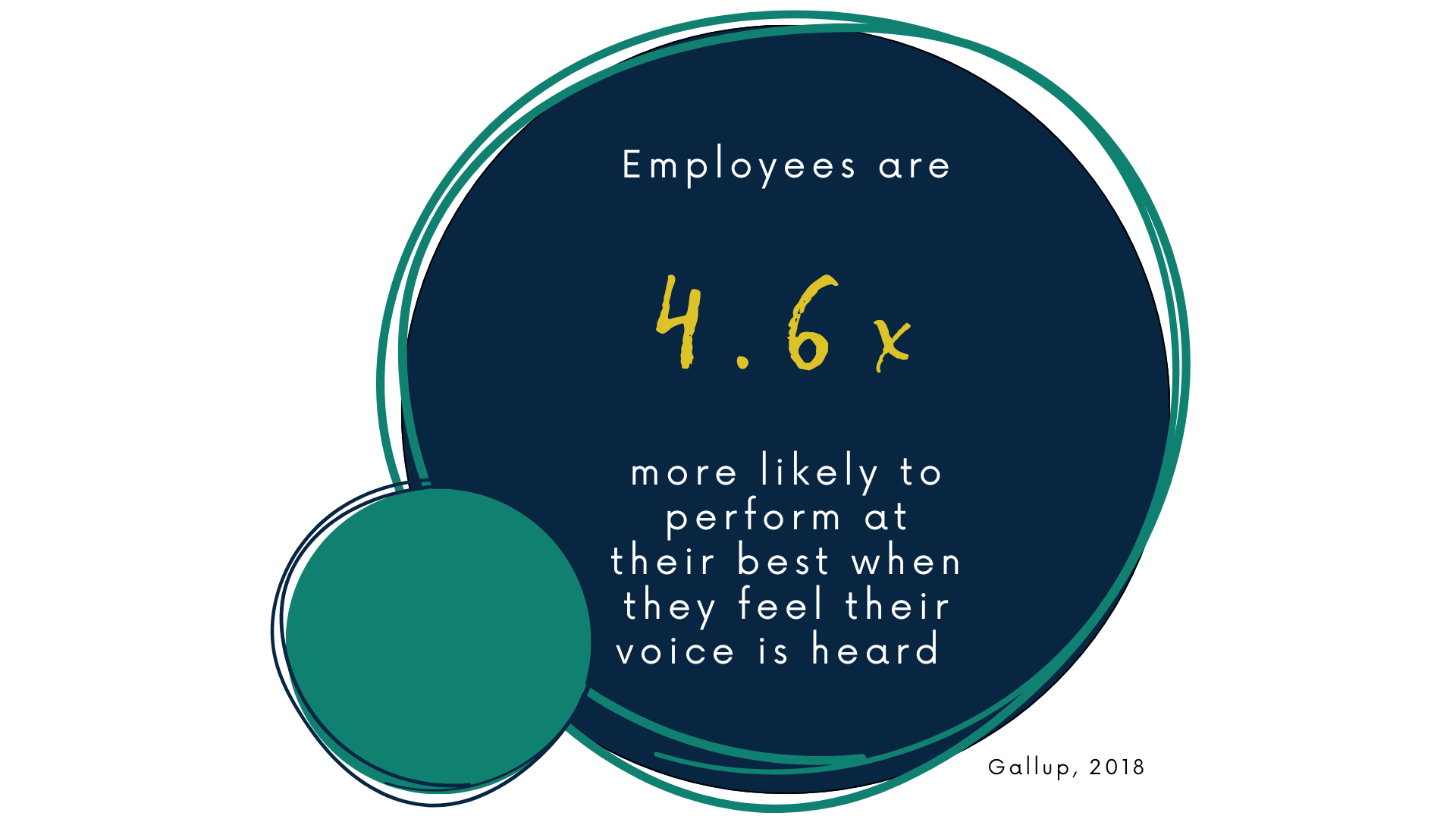
Listening well has become a defining leadership skill. In fact, research by Gallup shows that employees who feel their voice is heard are 4.6 times more likely to perform at their best.
One of the best ways to evidence listening? Put feedback into action.
Across the B Corporations we spoke to, feedback isn’t seen as a formality, it’s woven into everyday culture and actioned; people are held accountable.
At Bates Wells, the employee forum has flourished over the past ten years. There’s a broad representation from across the firm, and senior leaders, including the Managing Partner, join to answer questions directly. When the firm recently introduced a new Legal Director role they worked with the forum to help define the skills and to help colleagues understand how the new role fits within the legal career ladder.
At Devono, Shaun describes a range of feedback channels.
They run quarterly engagement surveys, 360° reviews (including for leadership), and regular “Board Advisory Team” meetings to make sure ideas travel up as well as down.
And at Standing on Giants, leadership is dedicated to ensuring employees feel heard. Rob shares:
“In the last two senior management meetings… at least half was spent on how to
implement the employee survey feedback, and the scores are already very high!”
At Higson, we’ve seen this too: feedback only builds trust and a positive work culture when people see what changes as a result of the feedback shared. Our Culture Pulse survey tracks engagement trends, and we talk through the findings with the whole team. The results have often led to tangible shifts, from redesigning our team meeting structure to rethinking our office days.
Leadership sometimes makes the mistake of disappearing behind office doors… but this can create distance, leaving space for doubt and distortion.
Each B Corp leader highlighted the critical importance of connection and the rhythms they have intentionally embedded as a result. Themes include monthly team days, senior team office hours, collaborative strategy sessions, weekly team meetings, and regular one-to-ones. At Standing on Giants, Rob described how their CEO hosts regular chats so that people can get to know her, ask questions and share ideas.
Staying visible and creating this intentional space for employee voice is what builds trust, fuels openness, and enables the candor that underpins truly positive work culture.
Actionable takeaway:
Don’t just collect feedback, close the loop. Build habits around listening and make your response visible. People feel heard when they see what’s changed because of their voice.
2. Ensure employees feel valued
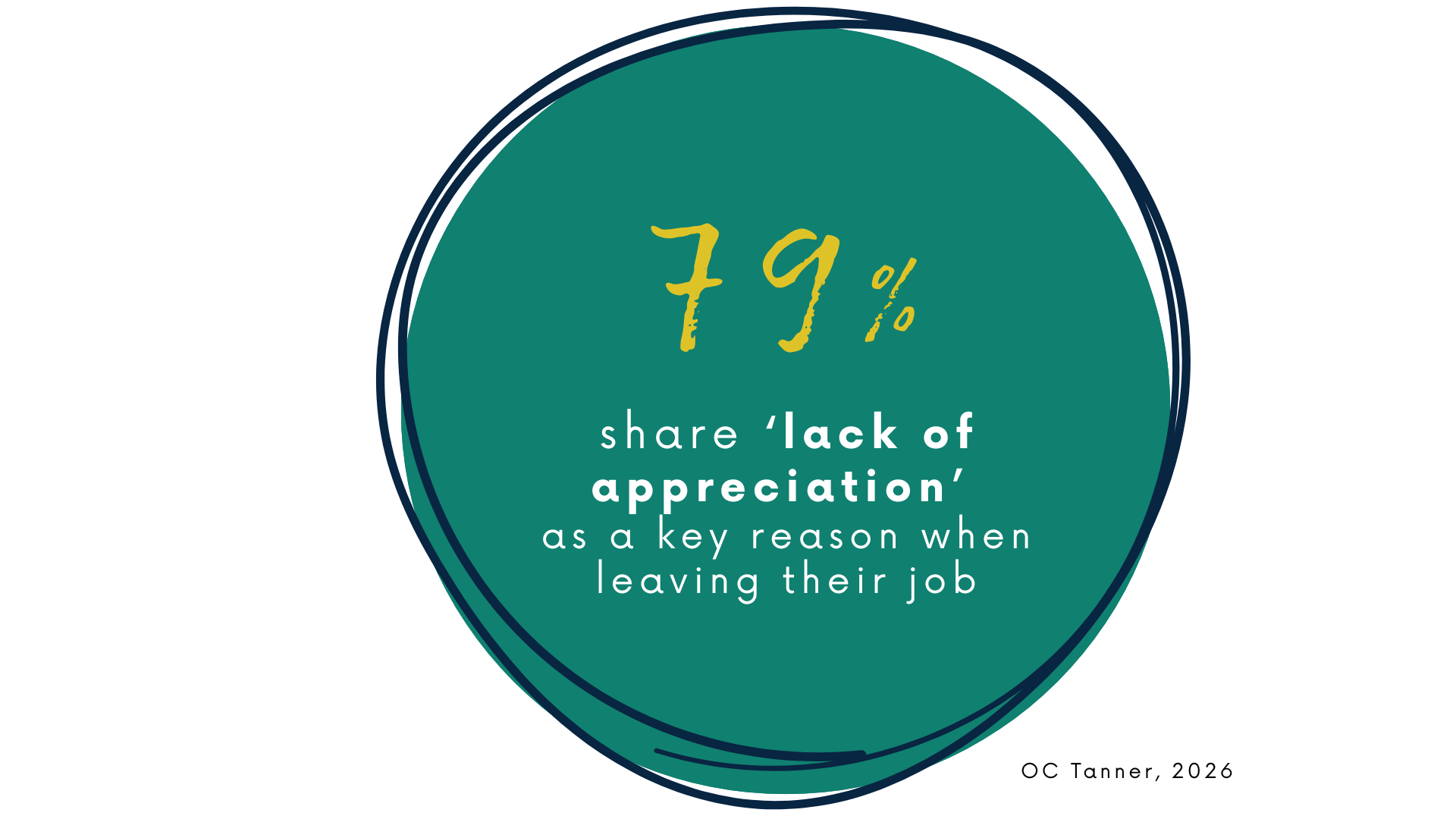
Recognition is one of the strongest predictors of engagement – yet it’s also one of the first things to slip when teams are busy. Research from OC Tanner found that 79% of people who leave their jobs cite “lack of appreciation” as a key reason.
For the B Corp leaders we spoke to, value is shown through fairness, trust, and human moments – a core part of any positive work culture.
At Bates Wells, while financial recognition plays a role, with salary reviews and bonus schemes, the firm’s approach is rooted in fairness, with a profit share for everyone, so that people are recognised and valued equally. Beyond this, the firm has an array of benefits that are curated and that evolve each year through feedback:
“We flex our benefits to meet needs – for example, we’ve added dental insurance, and we’re currently looking at an electric vehicles scheme.”
Devono has created a weekly rhythm of recognition, as Shaun describes:
“Each Friday we down tools for 20 minutes to share successes and highlights. It’s a platform to feel valued and to know what we’ve done that week has made a difference,”
Standing on Giants takes a trust-based approach. Employees get unlimited holiday and a ‘perk pot’ to spend on anything that boosts wellbeing or development (everything from a bike to an MBA course!). They also have ‘personal days’, which they can take at the last minute, with no explanations required:
“We trust people to make the right call,” says Rob.
At Higson, we live this same principle. We also have unlimited holiday, grounded in autonomy and mutual respect, not entitlement. And we find the small moments: in our weekly team sessions, we alternate between open shout-outs and a Rose-Thorn-Bud reflection, celebrating a win (the rose), naming a challenge (the thorn), and sharing an opportunity (the bud).
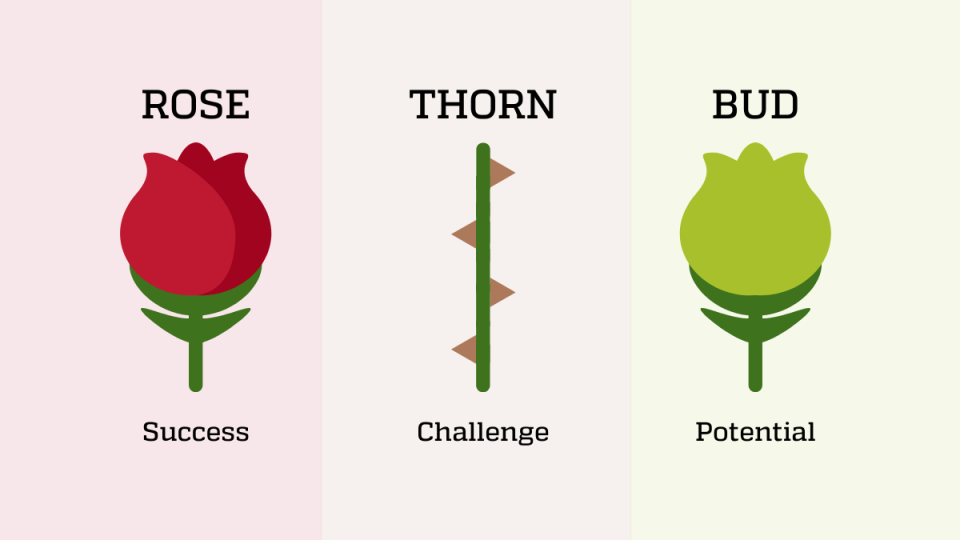
These moments encourage gratitude, mistake sharing and provide an insight into the team’s priorities – which reinforces a healthy, positive work culture where everyone is motivated and working cohesively.
Actionable takeaway:
Recognition doesn’t need to be grand. Build consistent, human habits that say: we see you, we trust you, and we value what you bring.
3. Ensure employees feel empowered
Empowerment happens when people have both clarity and control, when they know the goal, and have the freedom to decide how to get there.
At Standing on Giants, Rob captures it perfectly:
“We set clear goals and KPIs, but the ‘how’, how people express themselves and approach their work, is up to them.”
This autonomy works because their culture reinforces accountability and ownership. Standing on Giants has then taken empowerment several leaps further… they have become employee-owned through an Employee Ownership Trust (EOT)! This gives employees major decision-making influence and a real stake in the company’s future.
Bates Wells embodies empowerment through transparency. Twice a year, the whole firm gathers for a town hall to review its financial results, strategy updates, and where progress has (and hasn’t!) been made.
We do this at Higson too, with quarterly internal board days and an annual 3-day strategy away stay to empower the team to feed in and build the strategy together.
Empowerment is also created when individuals have opportunities for growth and people are given the tools and skills to develop.
As a people and culture consultancy, we help our clients to empower their people through practical programmes, sharing tools based in psychology. This could be helping teams to collaborate more effectively or equipping managers with the skills to lead their teams through change. Research shows that when people are empowered with support, this boosts confidence and performance.
Actionable takeaway:
Set one or two bold objectives (quarterly) and let teams choose their means. At the same time, publicly clarify how success will be monitored, offer support and then step back, letting them own the how.
Consistency is key
While being heard, valued, and empowered are the pillars of a strong culture, they only work when they’re applied consistently. Culture isn’t built in off-sites or slogans, it’s built in the daily consistency of leadership behaviour.
As Rob puts it:
“You can get bored of your own message long before your team does. You have to
say it ten or twenty times to make sure it really sticks.”
This repetition and reliability create stability, especially during growth or change.
At Higson, one of our favourite quotes is:
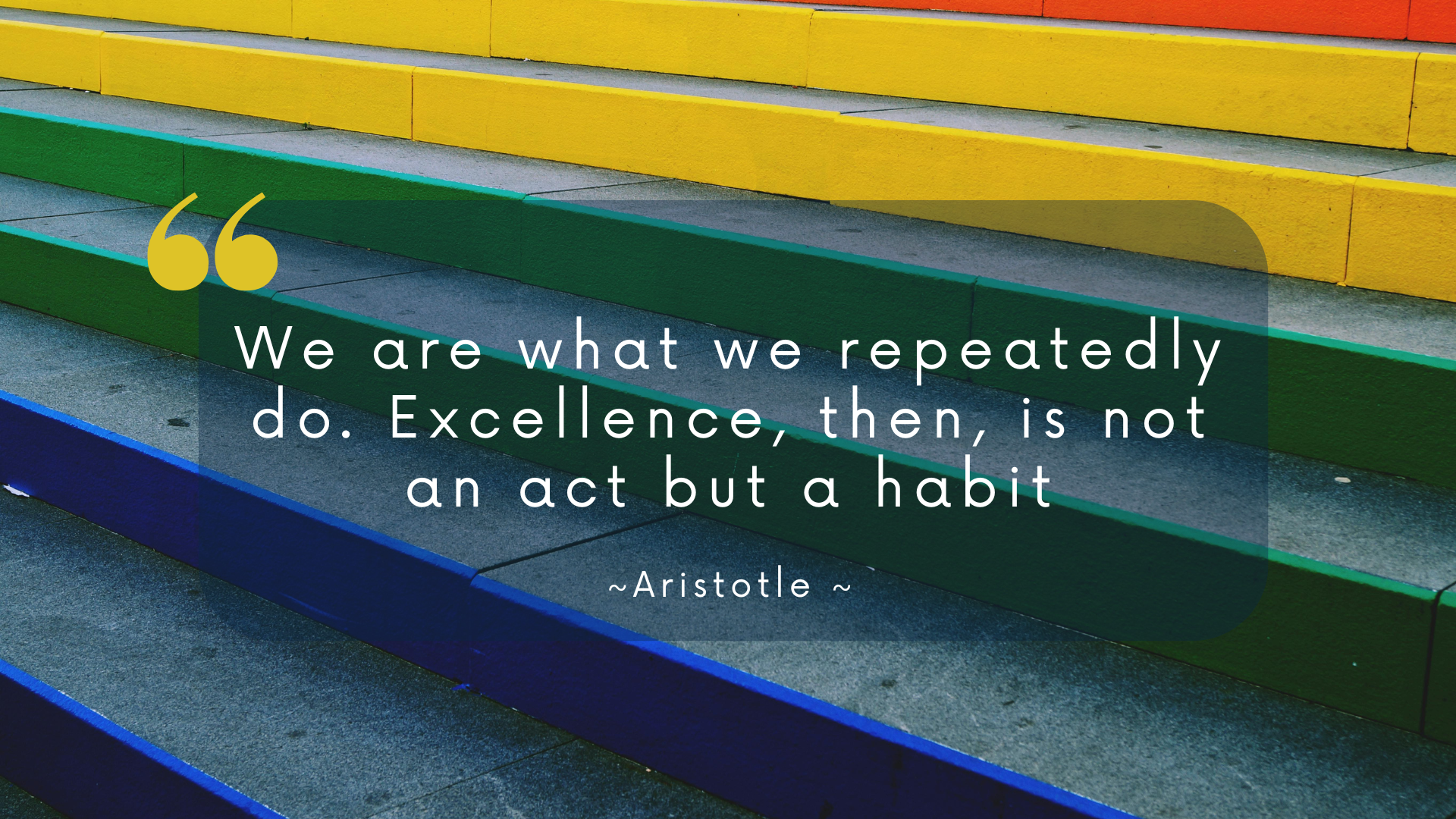
This was attributed to Aristotle ~2 thousand years ago yet it remains true today – especially for any organisation trying to build a reliable, positive work culture.
Actionable takeaway:
Choose one cultural habit (e.g., a team debrief, recognition moment, feedback round) and commit to it for at least six months, then review its impact. Consistency through change builds stability.
How you can bring this to life
Here’s what the best cultures do that most don’t:
Great culture is built on trust, transparency, responsive leadership, and everyday human rituals, and that’s exactly what these B Corps demonstrate, always recognising that there is room to continuously improve. As Shaun reflects:
“We’ve travelled so many miles on this journey, but we know we’re not at the end of it yet.”
Across clients and industries, we see the same principle in action: when people are genuinely heard, valued, and empowered (not just told they are), then they commit, innovate, and grow. This is what sits at the heart of the best, most positive work cultures.
This blog is Part 3 of our workplace culture series. In Part 1 and Part 2, we explored the eight core elements that lay the foundations for a thriving workplace culture. Read on for more inspiration!