20th November, 2025 •
Beyond the basics: What B Corp leaders are really doing to build a positive work culture
Written by Charlotte Duckworth
23rd April, 2026 • 7 minute read

In difficult times, leaders often default to one approach: push harder. Time and again, we see this, where leaders focus relentlessly on revenue, try to squeeze more output from teams, and measure success purely through sales metrics.
But there are risks to this method! A narrow focus on short-term performance can backfire. Stress rises, burnout becomes a real threat, and engagement drops as employees become increasingly frazzled. Gallup (2022) estimates that employee disengagement costs the UK economy a staggering £257 billion every year.
Too often, organisational culture and business performance are framed as an either/or dilemma, as though investing in culture comes at the expense of results. And it’s not true! When done right, culture can drive performance.
The behaviours embedded in a strong, resilient culture create the conditions for teams to make better decisions, take ownership, and deliver outcomes consistently, even when they’re feeling the pressure.
In this article, we explore how focusing on culture can unlock high performance that is sustainable, despite a challenging business environment.

The most commonly asked questions linking culture and performance
We often get asked similar questions about culture and its link to business performance. While there aren’t always the textbook responses some hope for, here’s our perspective based on our years of experience helping organisations build high-performing cultures.
Organisational culture is sometimes seen as fluffy. Some people might think of workplace perks, values on the wall, or slogans in an internal newsletter.
A concise definition of organisational culture:
The shared behaviours, mindsets, and norms that shape how people make decisions, work together, and deliver results in a business.
Essentially – how things actually get done around here.
So, a ‘good culture’ means our strategy can be translated into consistent actions and tangible outcomes. A ‘good culture’ enables high performance.
In our work, we see firsthand how this appears at an organisational level and enables a thriving business. What is often overlooked, however, is how this can appear at a team level too – one brilliant team leader making a huge impact and a ‘pocket of success’ within their organisation.

2. How do I know if we have a ‘good culture’?
A strong, healthy and impactful culture is visible in both behaviours and outcomes. And this can be assessed.
From our experience building our own culture, as well as consulting a wide range of organisations of different sectors, sizes, and stages of growth, we’ve distilled culture into eight essential pillars:
For a deeper dive into each pillar and how it drives performance, see our blogs: Part 1, and Part 2.
* This is an analogy we love at Higson, meaning you need to focus on getting the right people in the right roles for the business, from Jim Collins’ book ‘Good to Great’
If you’re looking for a place to start, even a 2-minute review can highlight initial focus areas.
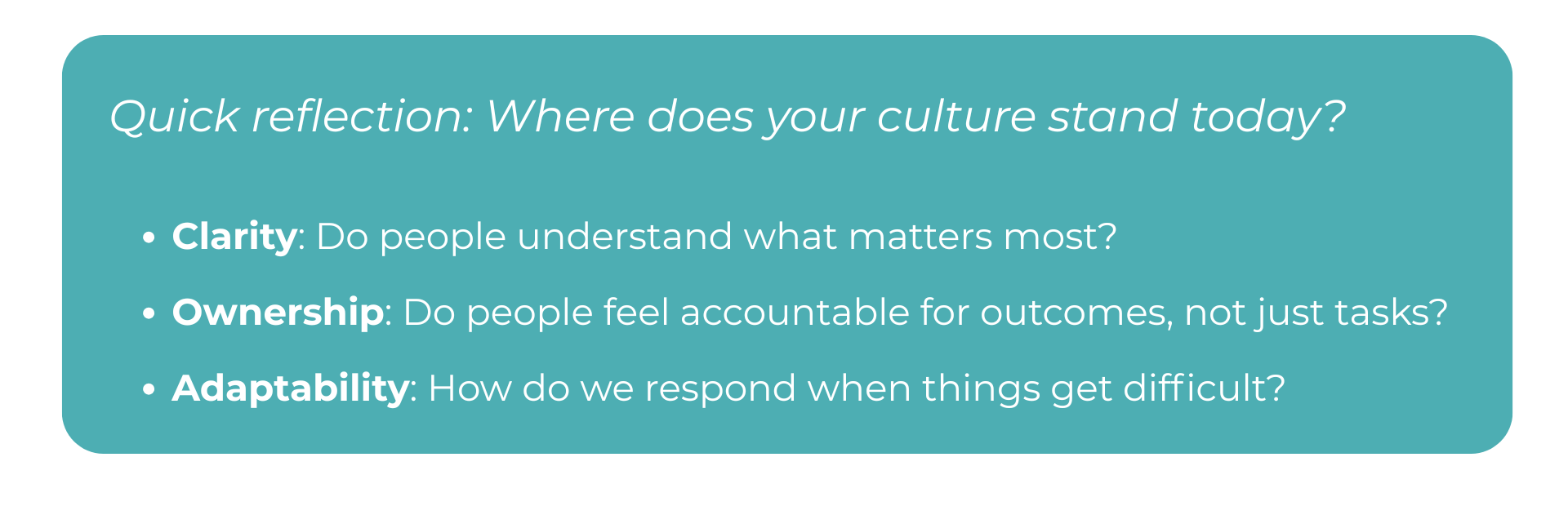
For a holistic picture of where your organisation sits now, we recommend benchmarking your culture; get in touch if you want to hear more.
3. How does culture actually drive performance?
‘We need results! We’re increasing targets by 10%!’
This might sound familiar… but simply raising targets doesn’t mean that we move the needle and create a change.
At Higson, we like to keep it simple:
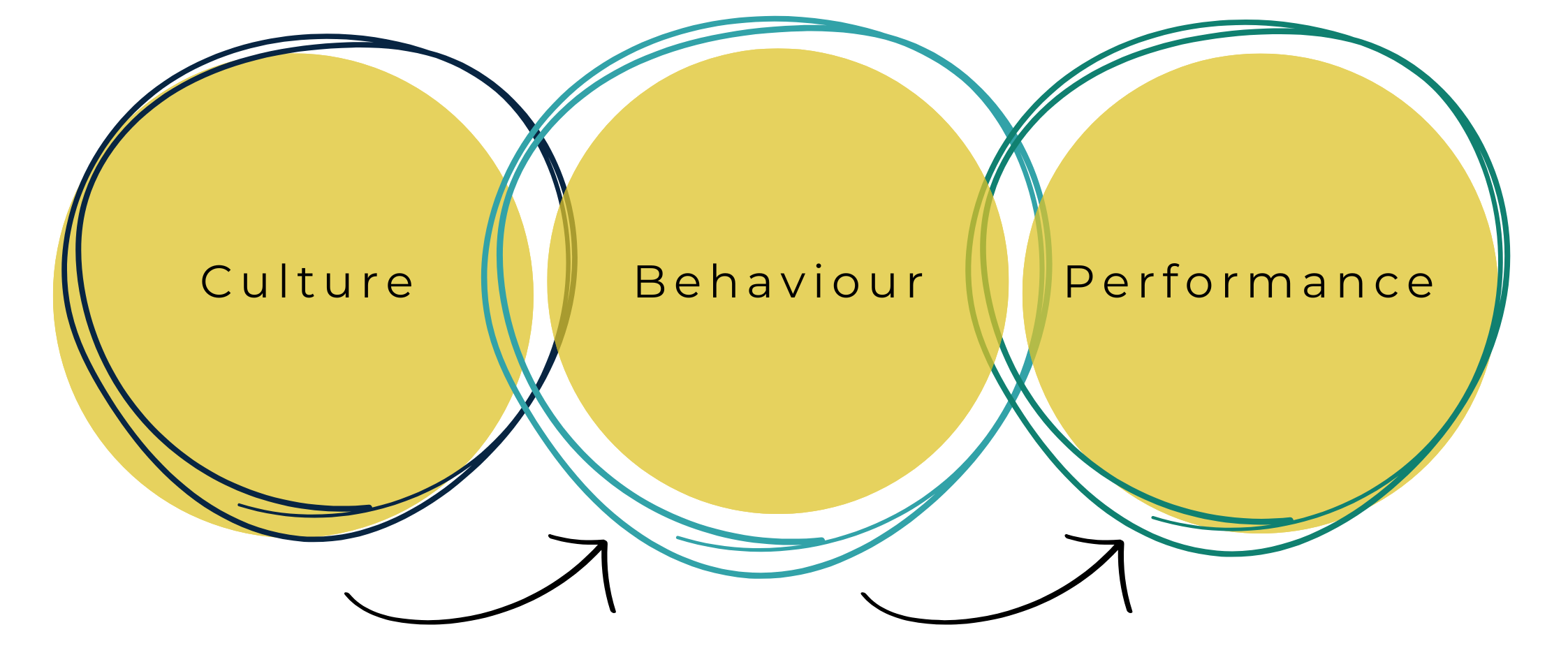
Culture → Behaviour → Performance
Culture shapes how people behave in their roles. Those behaviours drive individual output, which in turn drives performance, and ultimately, organisational results.
Let’s take Microsoft. A decade ago, it was siloed and competitive. Teams worked against each other, innovation stalled, and employees felt undervalued. Then Satya Nadella took the reins with a clear focus: growth mindset, collaboration, and learning.
The result wasn’t just happier employees. Revenue soared, Azure became a cloud powerhouse, and Microsoft went from bureaucratic giant to agile innovator.
Culture influences clarity around decision-making processes, priorities, transparency, accountability and the standards people follow. If we can create the conditions that improve these elements, then we create an environment for sustainable high performance.
4. How can I drive performance using culture?
Many factors shape a high-performance culture, so here we will focus on 3 key themes that consistently make a transformative difference.
High-performing teams are high-performing for a reason. They know where they are going and what matters most right now.
KPIs (key performance indicators) play a key role! The real turning point, though, is when people understand why they matter.
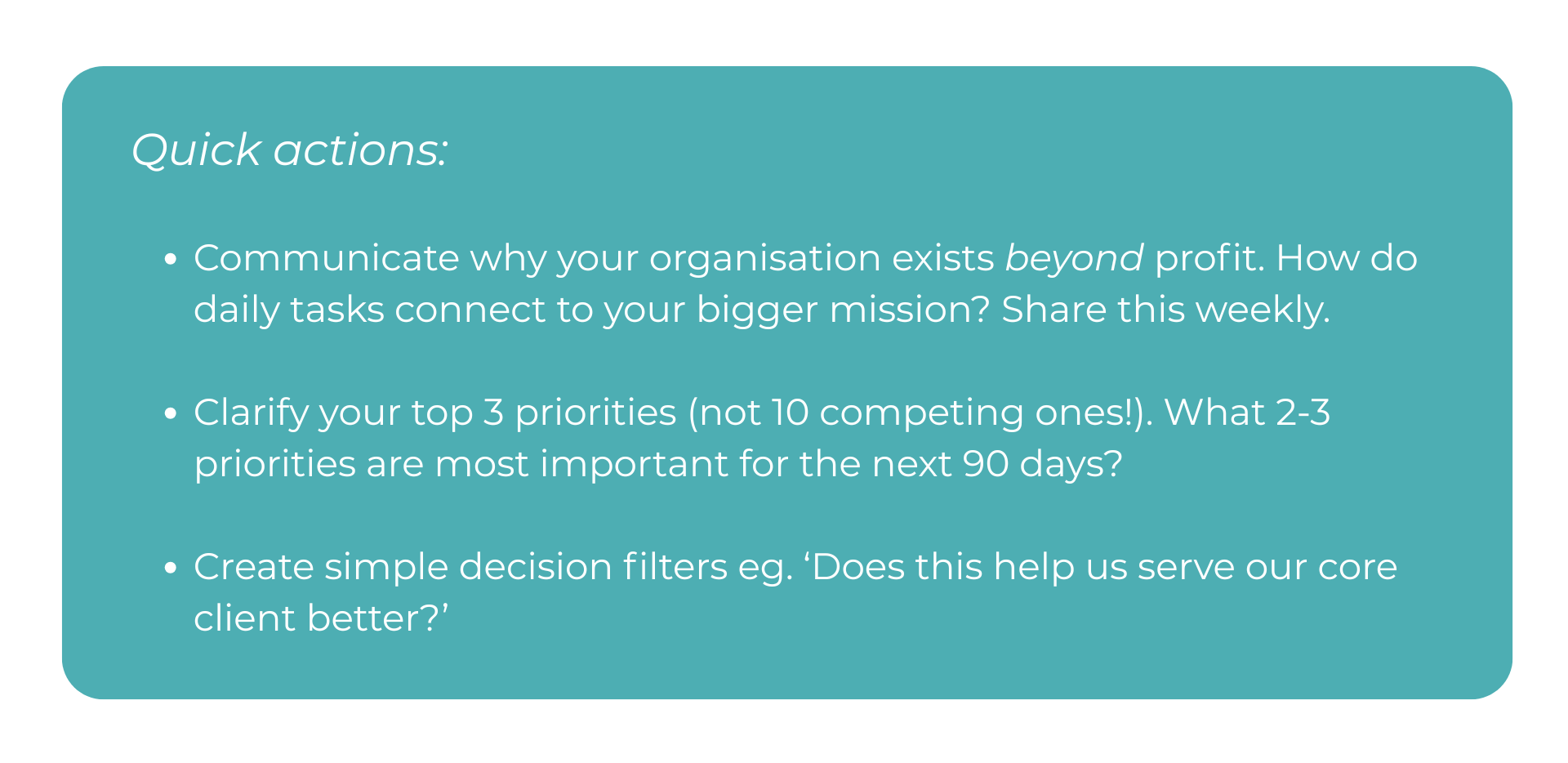
During periods of significant change, this clarity becomes even more important. Uncertainty often kills performance faster than the challenge itself!
We recently supported a client through a significant transformation with a change leadership programme to help managers adapt their leadership approach, enhance change communication and navigate valuable development conversations. When managers can lead and translate key messages through change with confidence, we avoid the loss of momentum and performance that many businesses experience.
2. Build ownership and accountability
Think of a moment when someone has given you something to own. Whether it’s planning a project…or planning a holiday… we are more invested when we know that we’re the one who needs to get the job done. The buck stops with us.
If people feel responsible, then performance improves. The key is a simple but powerful shift:
Focus on outcomes, not tasks.
It’s a mindset shift from activity-based thinking to results-focused thinking. With this mindset, we can create more autonomy because goals and outcomes are clearly defined. Our team can then approach their work in innovative ways, build momentum (because they’re not constantly waiting for direction from us!), and this makes their role more interesting. They are accountable, so they’re more invested!
In difficult contexts, we often see leaders become more risk-averse, directive and wanting more control. But this stifles success.
Tip! Balance short-term targets (e.g. quarterly goals) with long-term measures so quick wins don’t undermine sustainable success.
3. Strengthen resilience and adaptability
Culture is most visible under pressure. In a strong culture, people are consistently adjusting priorities as needed, learning quickly and supporting each other to resolve problems effectively.
Encouraging adaptability and resilience in our teams is a daily practice. It takes time to build trust so that everyone pulls together and remains motivated in challenging periods.
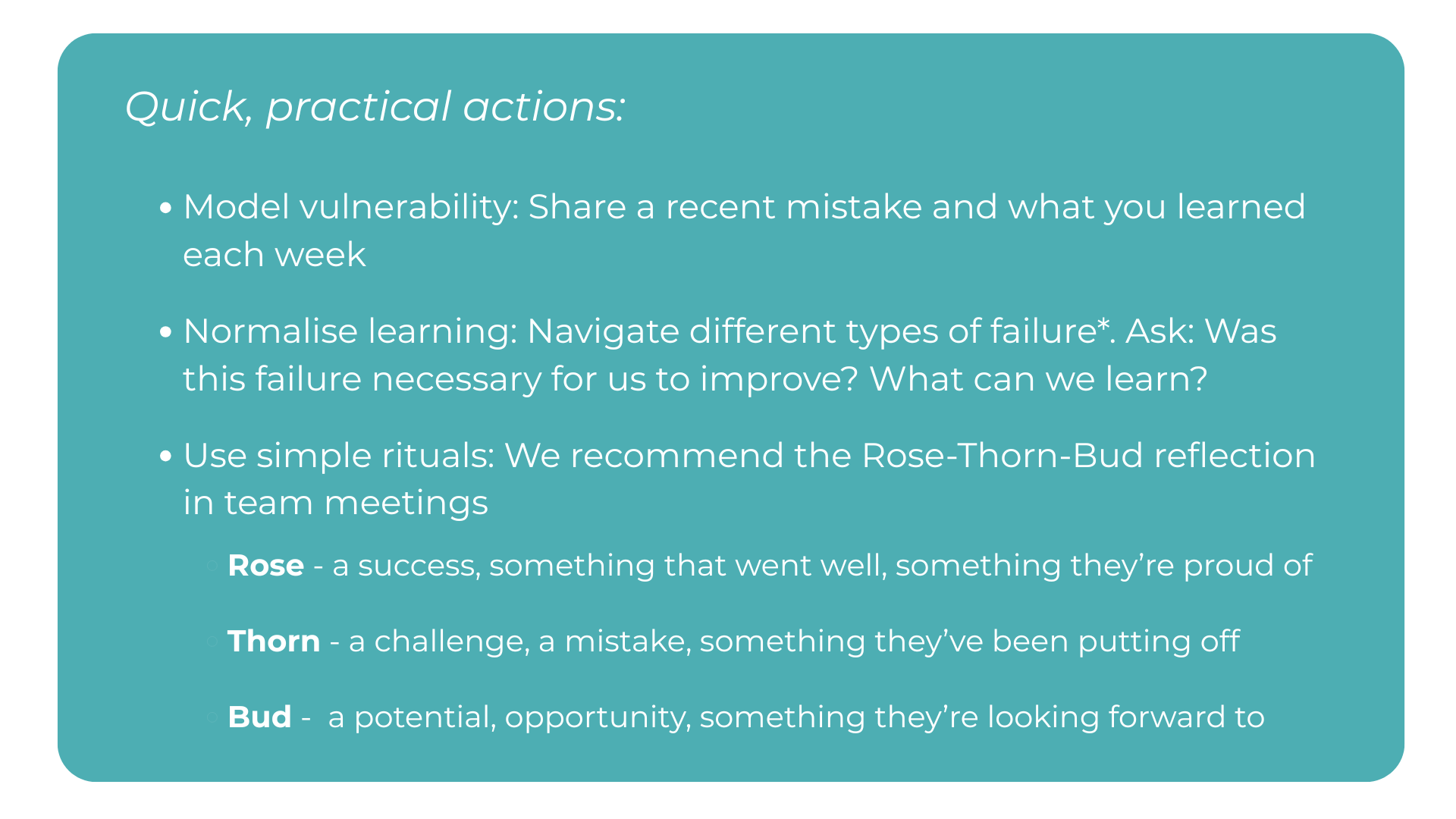
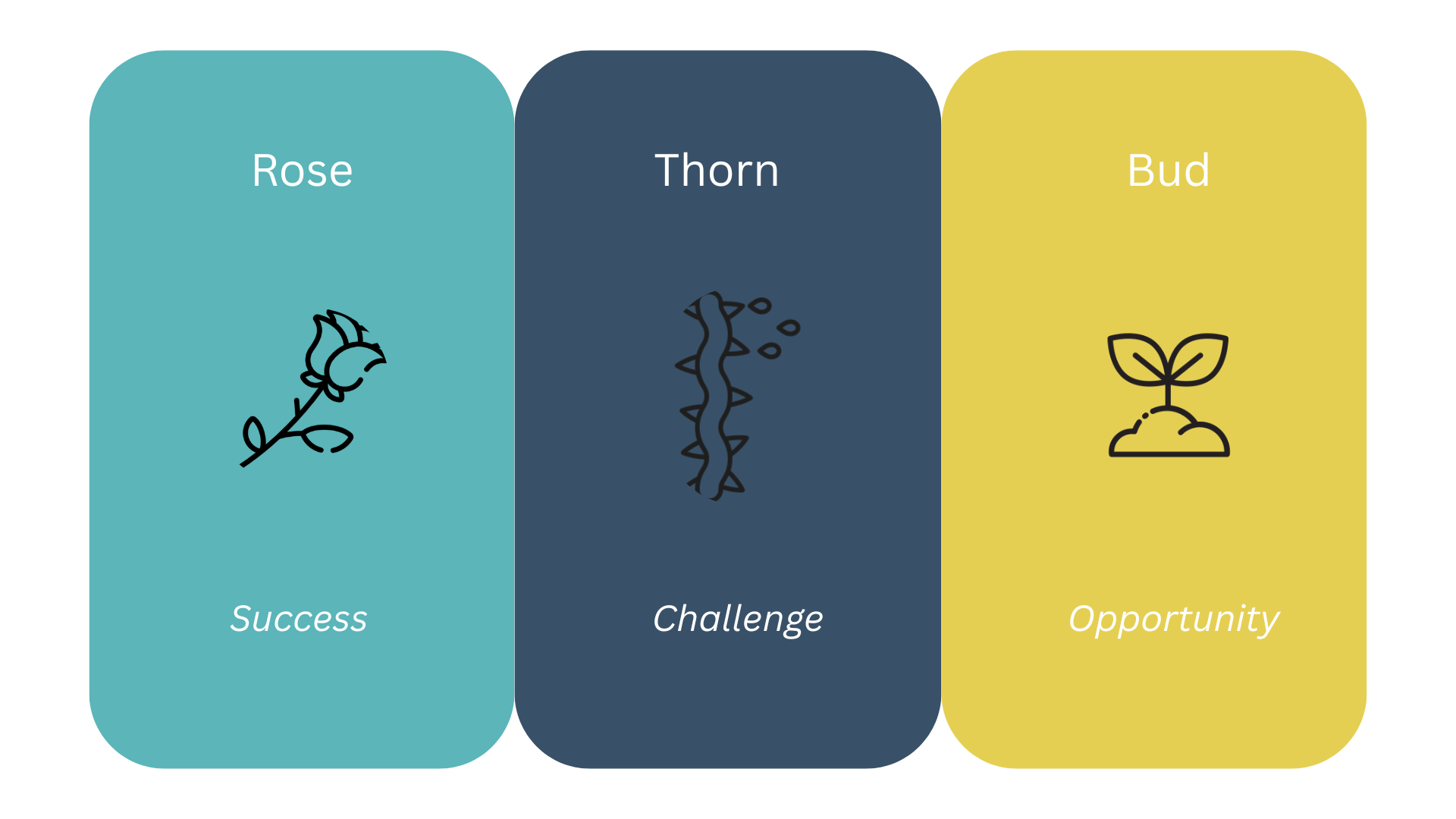
* Read this blog to navigate different types of failure
In summary
Organisational culture isn’t a fluffy tick-box to make people feel nice at work, it shapes how work gets done and ultimately, whether our organisation performs, or not.
High-performance cultures are built on:
Culture matters even more in challenging times when uncertainty can easily stall our progress. Leaders and managers play a critical role in defining the tone with small, consistent actions that create a lasting impact.
We help many organisations to support their teams to thrive through change, if you would like to hear more, please get in touch.